Q&A Article
Project Trans France: Training Through Constraint
Reporter: Jens, the last update on projecttransfrance.info was in August 2025. How would you describe the months since then?
Jens:
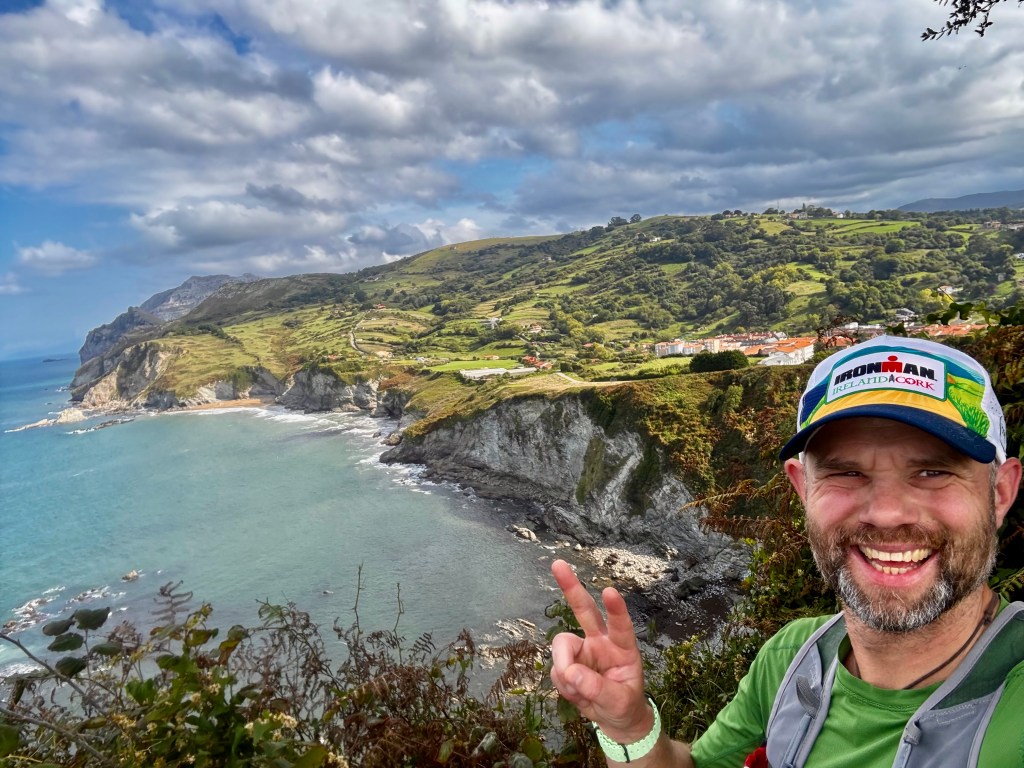
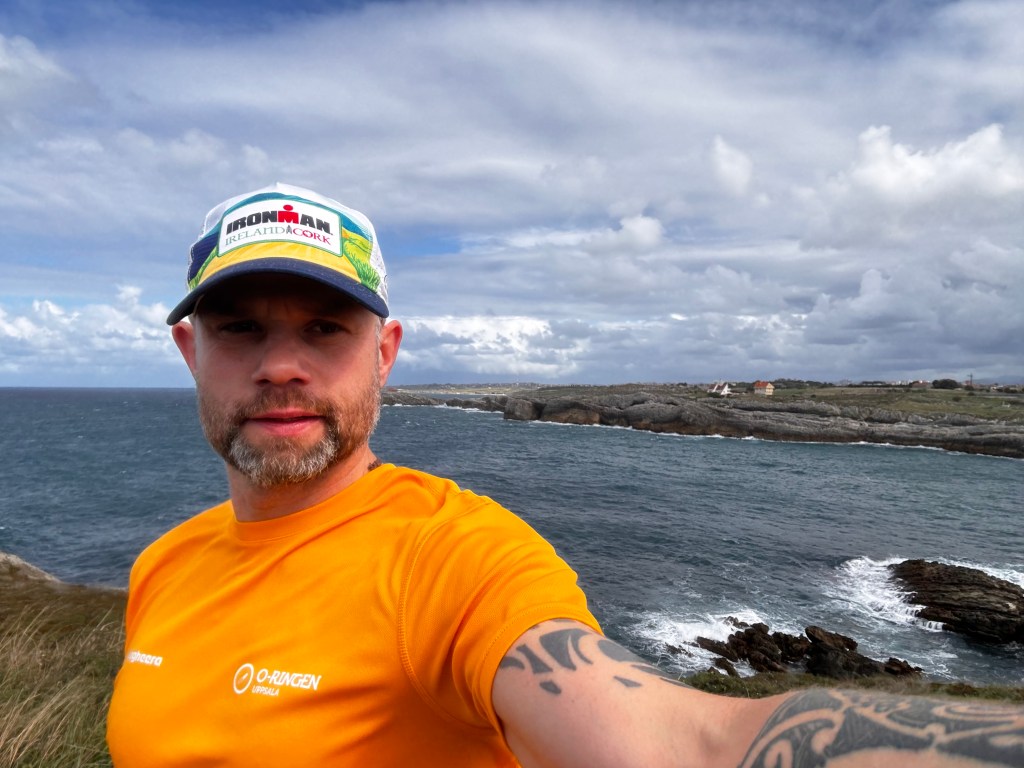
The last few months were a mixed bag. I was dealing with an ongoing Achilles injury, which meant consulting specialists and figuring out how to keep progressing without digging a deeper hole. I added a new coaching platform, athletica.ai, to the mix, which helped bring structure back into the process. I also had a great late summer in Spain — but overall, it’s been very busy.
Reporter: How has your training changed since then?
Jens:
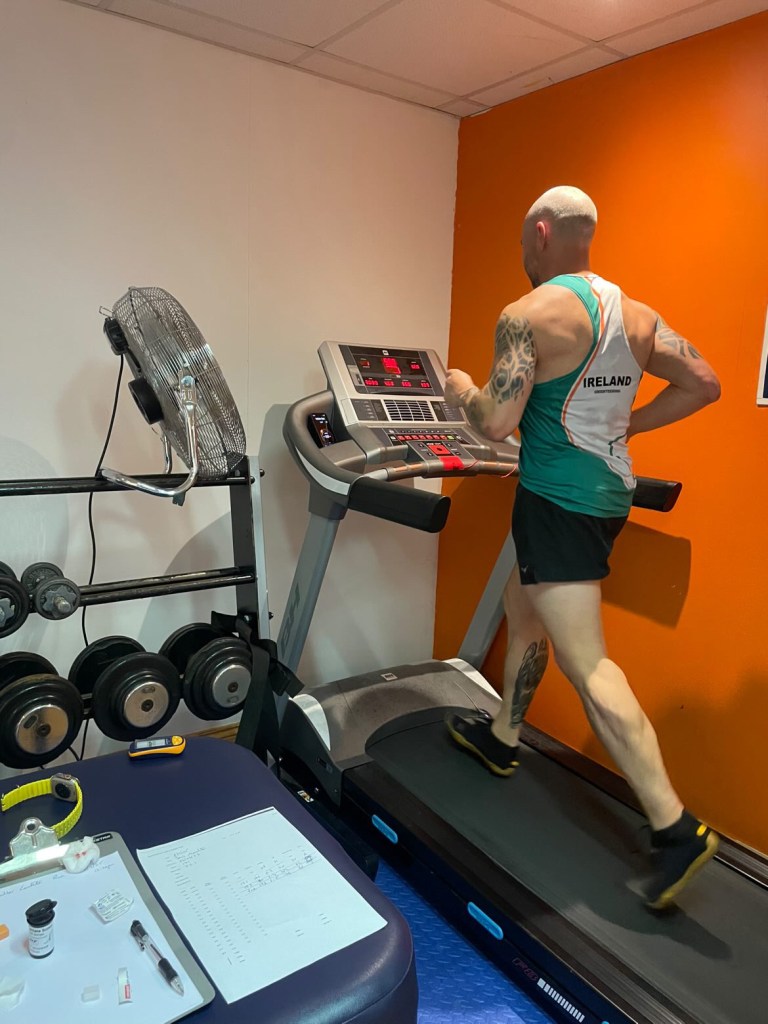
I switched fully to athletica.ai, and what I love about it is that it adapts my weekly training load based on how I trained and how I felt the week before. I also did a lactate test with John from The Bike Fit Physio to properly dial in my training zones. Because of the Achilles issue, a lot of my aerobic volume has been on the bike. For running, the focus is heavy aerobic work with only small amounts of high-intensity training in Zones 4 and 5.
Reporter: Was there a moment where things started to click again?
Jens:
Absolutely. After the lactate test and setting the correct zones, I felt much happier with training. Being “forced” to stay in Zone 1–2 has been a game changer. It’s working really well.
Reporter: What’s been the biggest challenge in this phase?
Jens:
Staying healthy and injury-free. So far, I’ve avoided colds and flu, but my age is definitely starting to show in muscles and tendons. Old injuries — especially the Achilles — demand respect. Adjusting my training was one thing; adjusting my mindset was harder.
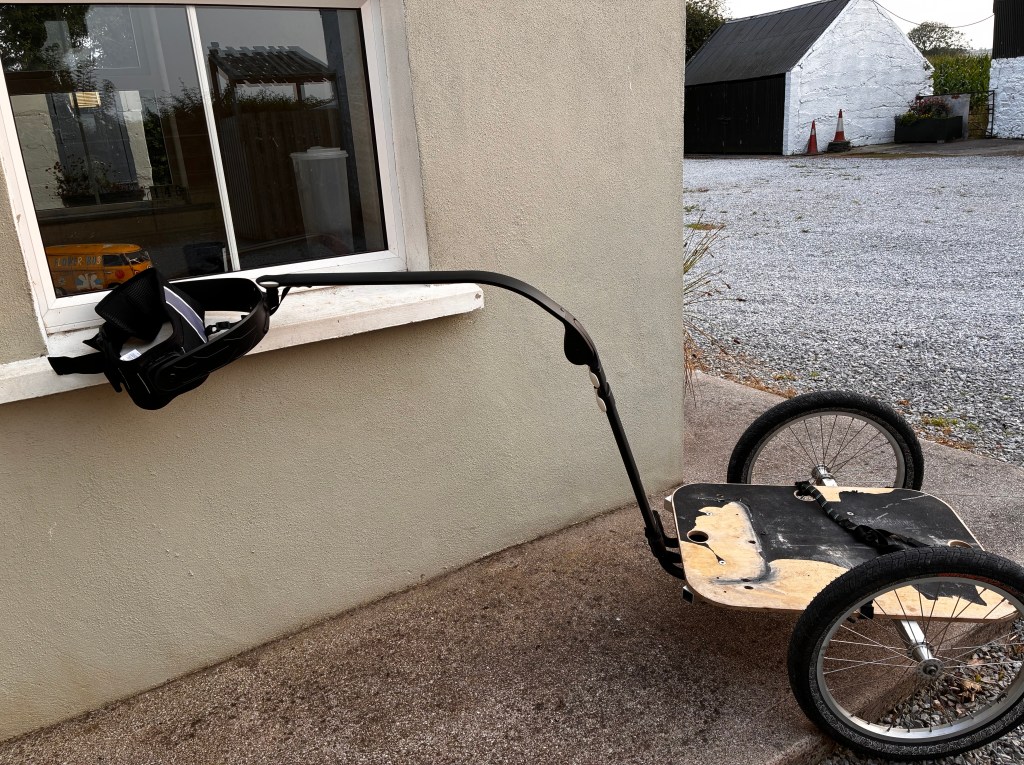
Having a partner who’s been incredibly supportive for over a year now has made a huge difference. Looking ahead, logistics will become a real challenge as I move into my final training block with high volume and long days. My gear list is finalized — testing comes next.
Reporter: Has the mental side of training changed?
Jens:
Not really. I try to keep things simple, solve problems as they come up, and stay in the moment. That’s always been one of my strengths.
Reporter: Any recent lessons around self-supported running?
Jens:
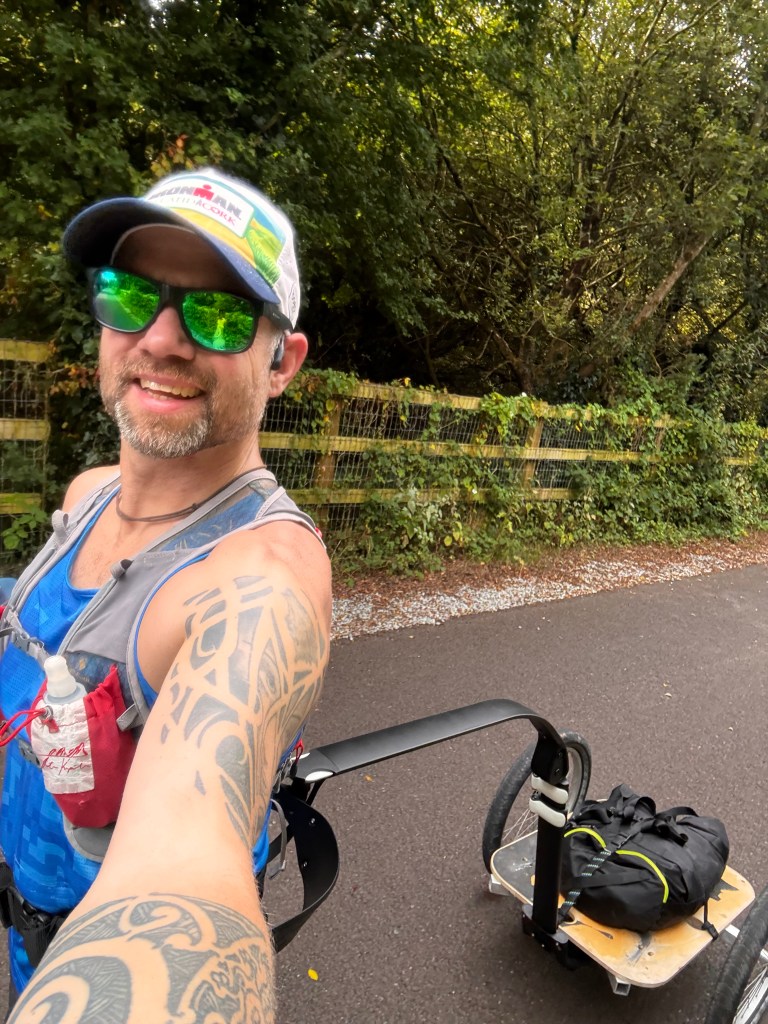
I’m realizing I’ll likely carry more than I initially thought. The next few weeks will show exactly how much and how heavy that load will be.
Reporter: What have been the standout positives?
Jens:
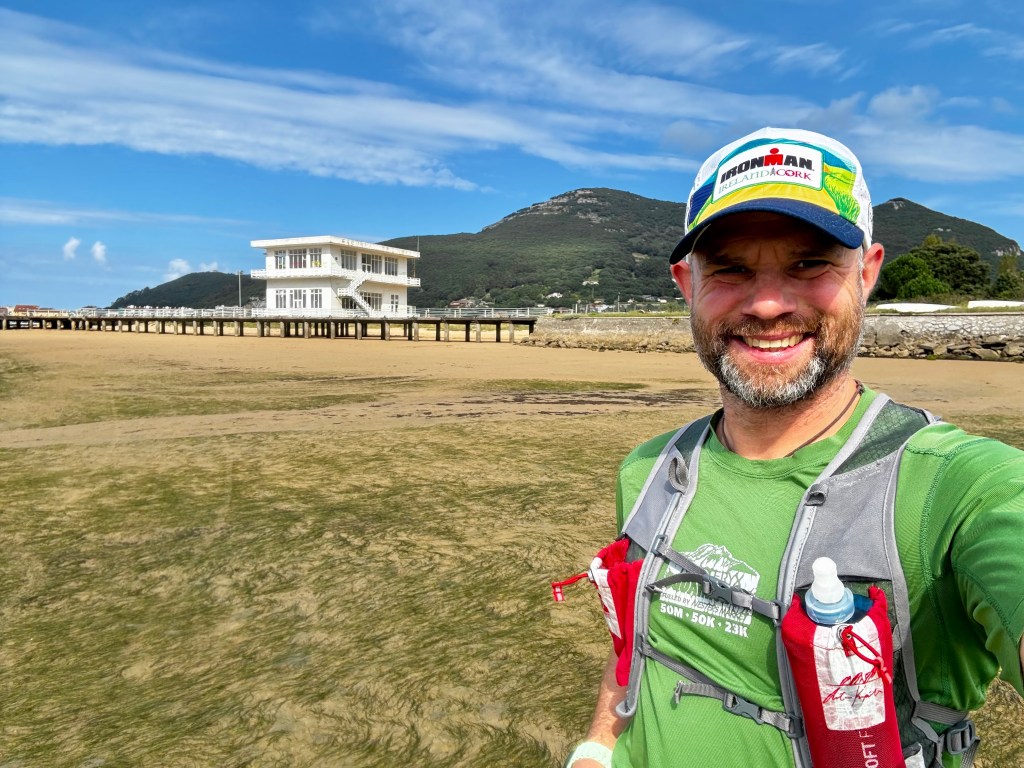
The coolest thing is discovering that training at a relatively slow pace actually lets me push harder when needed — and at a good pace. Running for two hours or more now feels easy, and that genuinely makes me smile every time.
Reporter: Looking back to August, would you do anything differently?
Jens:
I’ve been very focused on following the plan, deep in the weeds. Sometimes I miss the sense of freedom — heading out under my own steam, choosing any direction I want. That, to me, is real freedom.
Reporter: What feels solid right now — and what still feels uncertain?
Jens:
Running long feels solid. What’s still uncertain is stacking those long days back-to-back.
Reporter: Finally, what do you wish people understood better about preparing for something like Project Trans France?
Jens:
The sacrifice your loved ones make. When you’re training hard, sore, down, grumpy, impatient — and they still make you smile. That’s the part people rarely see.
 Project Trans France '26
Leave a comment