
Rest, Recovery, and Resilience: Navigating Illness During Training
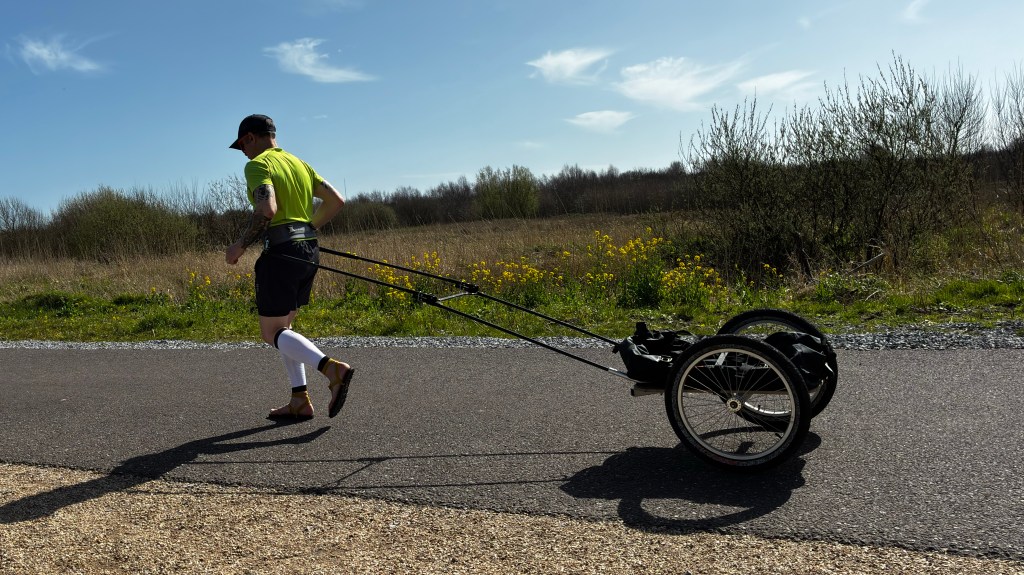
As endurance athletes, we’re conditioned to push through discomfort, to embrace the grind. However, when faced with a chest infection and accompanying body aches, it’s crucial to recognise that rest isn’t a setback—it’s a strategic move towards long-term success.
The Importance of Rest During Illness
Engaging in intense training while ill can exacerbate symptoms and prolong recovery. Medical experts advise that if symptoms are “below the neck”—such as chest congestion, coughing, or body aches—it’s best to rest until these symptoms subside.
Resting allows your body to allocate energy towards fighting the infection, reducing the risk of complications and facilitating a more efficient recovery.
Long-Term Benefits of Prioritising Recovery
Choosing to rest during illness offers several long-term advantages:
• Prevents Chronic Issues: Avoids the development of prolonged respiratory problems.
• Maintains Training Consistency: Reduces the likelihood of extended interruptions due to complications.
• Enhances Overall Health: Supports a stronger immune system, reducing future illness risk.
Additionally, adequate sleep—a critical component of recovery—has been shown to have restorative effects on the immune system and endocrine function, facilitating the recovery of the nervous and metabolic systems.
Challenges of Pausing Training
For dedicated athletes, taking a break can be mentally and emotionally challenging:
• Feelings of Guilt or Frustration: Concern about losing progress or breaking routine.
• Restlessness: Missing the endorphin boost and stress relief that exercise provides.
It’s important to recognize that rest is a proactive step in your fitness journey, not a setback.
Lessons for Fellow Athletes
This experience underscores several key takeaways:
• Listen to Your Body: Recognize when rest is needed and honor those signals.
• Redefine Progress: Understand that recovery is a form of progress, contributing to long-term goals.
• Promote a Balanced Approach: Encourage others to prioritize health over strict adherence to training schedules.
By sharing these insights, we can foster a culture that values health and sustainability alongside performance.
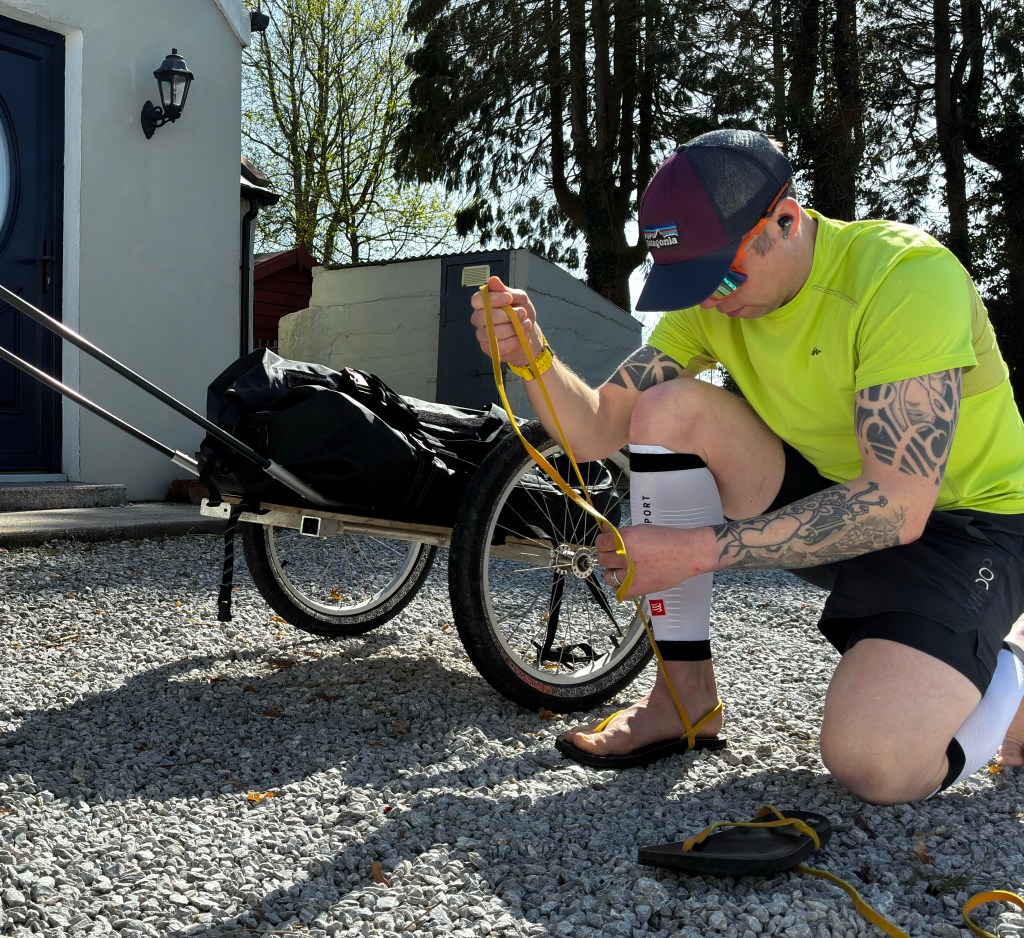
Project TransFrance is more than a physical challenge; it’s a journey that tests and builds resilience. Embracing rest when necessary is not a sign of weakness but a testament to strategic strength.
Jens Waechter
 Project Trans France '26
Leave a comment